
www.psupress.org
anthropoceneart historyclimate changecontemporary arteco artenvironmental issuesland artmark cheetham
Dive into the vibrant world of eco art with Mark Cheetham's 'Landscape into Eco Art: Articulations of Nature Since the ’60s.' This engaging exploration connects contemporary eco art with its historical roots in land art and landscape painting, revealing how artists respond to the pressing issues of climate change and environmental degradation. Through thematic case studies, Cheetham showcases the works of renowned artists like Olafur Eliasson and Nancy Holt, illustrating eco art's role in shaping our understanding of nature and our responsibilities towards the planet. This book is not just an art history; it's a call to engage with the ecological crises of our time, making it essential reading for art historians, environmentalists, and anyone concerned about the future of our planet.
 Bookmark
 More like this
Sustainable Fashion Technologies: Stitching sustainability into style
carbon emissionscircular economyenvironmental impactfast fashiongreen technologyinnovationsustainable fashiontextile waste
Explore the transformative journey of the fashion industry as it shifts from a linear to a circular model, addressing the urgent need for sustainability. With the fashion sector projected to account for over a quarter of the global carbon budget by 2050, this publication delves into the environmental impacts of textile production, including significant carbon emissions, water pollution, and waste generation. It highlights the challenges posed by fast fashion and the imperative for legislative action to foster a more sustainable industry. Discover innovative technologies that promise to mitigate these impacts, from algae-based materials to blockchain solutions, and learn how intellectual property can catalyze green innovation. This report serves as a crucial resource for stakeholders aiming to understand and navigate the landscape of sustainable fashion technologies.
Bookmark More like thisWorldRainforests.com
biodiversityclimate changeconservationdeforestationecosystem serviceslocal communitiesrainforestsustainabilitysustainable development

Facts about tropical rainforests
Tropical rainforests are disappearing at an alarming rate, with deforestation occurring at a staggering pace of over 80,000 acres per day. This article explores the far-reaching consequences of rainforest destruction, including species extinction and loss of ecosystem services. It emphasizes the need for practical, sustainable solutions rather than idealistic approaches. The article outlines five basic steps for saving rainforests, including education, restoration, and support for sustainable practices. It also discusses the importance of recognizing the economic value of forests and the role of local communities in conservation efforts. The piece highlights successful past conservation strategies and the need for innovative funding mechanisms to support ongoing efforts. Ultimately, it calls for a balanced approach that integrates conservation with sustainable development to ensure the survival of these vital ecosystems.
Bookmark More like thiswww.ib.barclays
agricultureclimate changeextreme weatherfood securityglobal supply chainssustainabilityukrainewar
Our Research analysts investigate how the war in Ukraine and an increase in extreme weather events are stretching already fragile food supply chains following shutdowns during the COVID-19 pandemic in a new Impact Series report.
In a world grappling with the dual crises of war and climate change, food security hangs in the balance. This article delves into how the ongoing conflict in Ukraine and a surge in extreme weather events are exacerbating vulnerabilities in global food supply chains. With rising food prices and potential social unrest on the horizon, the report highlights the urgent need for structural changes in our food systems to ensure sustainability and resilience. Discover the intricate connections between geopolitical tensions, climate impacts, and the future of food security.
Bookmark More like thisToyota Tsusho Corporation
carbon neutralitycircular economyclimate changegreenhouse gas emissionsrenewable energysustainabilitytoyota tsusho
"Climate Change " - We, the Toyota Tsusho Group, deliver to countries around the world a diverse range of products and services essential for building prosperous and comfortable societies and managing the global environment.
Explore how Toyota Tsusho is tackling climate change through innovative strategies aimed at achieving carbon neutrality. The company emphasizes the importance of reducing greenhouse gas emissions across its operations and supply chain, aligning with the Paris Agreement's goals. With a commitment to a circular economy, Toyota Tsusho is not only focusing on its own emissions but also collaborating with partners to promote sustainability throughout the industry. Discover their ambitious targets for 2030 and 2050, and learn about their initiatives in renewable energy and recycling that contribute to a greener future.
Bookmark More like thisSustainable Fashion Technologies: Stitching sustainability into style
circular economyenergy consumptionenvironmental impactfast fashionmicroplasticsregulationsupply chainsustainable fashiontextile industrywater usage
This section highlights how the biggest environmental impacts in fashion’s value chain occur in a range of manufacturing processes, from fiber production and textile processing to water consumption and microplastics.
Explore the intricate web of environmental challenges within the fashion industry, from fiber production to textile processing. This article delves into the significant impacts of harmful chemicals, water usage, and energy consumption, highlighting the urgent need for sustainable practices. Discover how outsourcing, fragmented supply chains, and the prevalence of linear business models exacerbate these issues, while innovative solutions and regulatory measures emerge to mitigate fashion's ecological footprint. Join the conversation on how we can stitch sustainability into style and reshape the future of fashion for a greener planet.
Bookmark More like thiswww.canada.ca
canadacircular economyclimate changeenvironmental policysustainabilitysustainable developmentwaste reductionzero-emission vehicles
Explore Canada's ambitious Goal 12 of the Federal Sustainable Development Strategy, which aims to reduce waste and transition to zero-emission vehicles. This initiative aligns with global sustainability targets, focusing on a circular economy that minimizes waste and promotes resource reuse. Discover how Canada plans to halve food waste, manage chemicals responsibly, and foster innovation in sustainable practices. With a commitment to zero-emission vehicles and a circular economy, Canada is paving the way for a greener future, addressing pressing environmental challenges while enhancing resilience against resource shortages and climate change impacts.
Bookmark More like thistranslocal.org
artclimate changecontemporary artecological crisisenvironmental justiceindigenous perspectivessustainability
Explore the intersection of art and environmental activism in 'Art and Climate Change,' a compelling collection by Maja and Reuben Fowkes. This book showcases a diverse array of contemporary artworks that respond to the ecological crisis, urging a collective engagement with our planet. From decolonial reparation to ecological restoration, the authors delve into how artists are reshaping narratives around climate change, drawing on indigenous perspectives and scientific insights. With rich illustrations and a focus on marginalized voices, this text highlights the urgent need for sustainable futures through creative expression.
Bookmark More like thisportal.nifa.usda.gov
artificial intelligenceclimate changedata scienceeducationemerging technologiesmachine learningminority farmerssmart agriculturesustainabilityworkforce development
Explore the transformative potential of emerging IoT technologies in agriculture, driven by data science, machine learning, and artificial intelligence. This initiative, led by Delaware State University and supported by nine 1890 institutions, aims to address critical agricultural challenges while promoting inclusivity and sustainability. By harnessing advanced technologies like robotics and drones, the project seeks to enhance food production, empower minority farmers, and cultivate a new generation of skilled professionals in the agricultural sector. Join the movement towards a resilient and innovative agricultural future!
Bookmark More like thisnews.vt.edu
agricultureclimate-smart agricultureenvironmental impactfarmersgreenhouse gas emissionssustainabilitysustainable practicesusdavirginia tech
The $80 million USDA-funded project — the largest grant in Virginia Tech’s history — provides financial support for farmers in selected counties in four states to implement agricultural practices that protect water, soil, and air.
Virginia Tech's groundbreaking initiative, the Alliance to Advance Climate-Smart Agriculture, has successfully enrolled over 1,300 farms across four states in its first year. This $80 million USDA-funded project aims to incentivize farmers to adopt sustainable practices that enhance soil, water, and air quality. With a goal of enrolling 4,500 producers over three years, the program not only supports farmers financially but also sets a precedent for national agricultural sustainability. Participants receive $100 per acre to implement practices like no-till farming and precision nutrient management, potentially reducing agricultural emissions by 55% and total greenhouse gas emissions in the U.S. by 8% within a decade. This initiative exemplifies the intersection of innovation, sustainability, and productivity in modern agriculture, addressing the needs of a growing global population while protecting the environment.
Bookmark More like this
 My account
 Password
 Logout
 Articles
 My account
 Register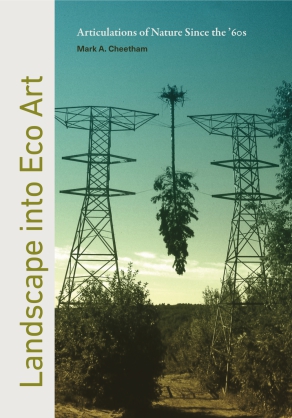







 Loading more...